1/5
Silicone Hot Plate 12V 12W Flexible Heating Mat 12×10cm Max Temperature 60°C Constant Temperature Electric Heating Resistor for Pipes and Water Tank
(30,58€/pc)
Dont éco-participation : 0,02 € TTC
Vous achetez pour votre entreprise ?
Tarifs négociés HT jusqu'à -20%
Produit similaire livré par
'/%3E%3C/svg%3E)
Thermor – Résistance pour chauffe-eau électrique 1200W 230V – Blindée pour environnements humides – Installation facile et rapide
86,11 €
247
Vendu par PREAGED
Ces articles peuvent vous intéresser !
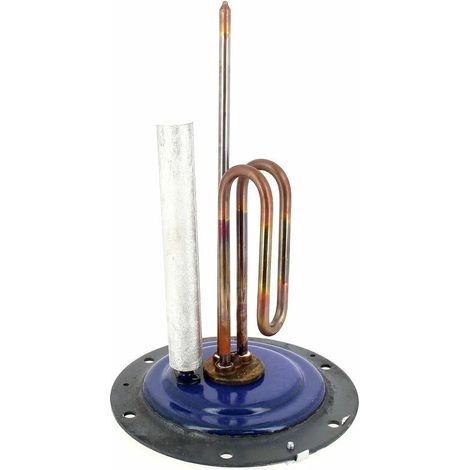



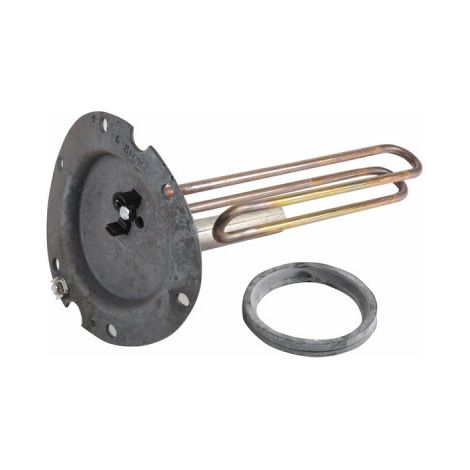
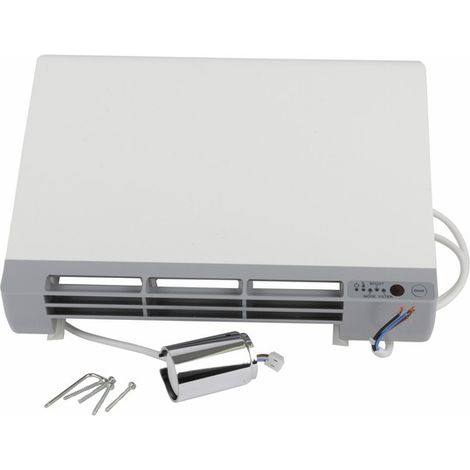

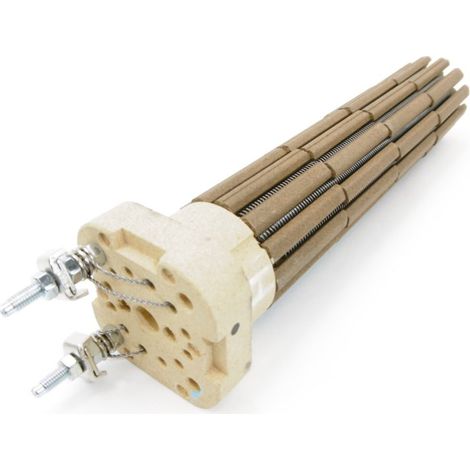

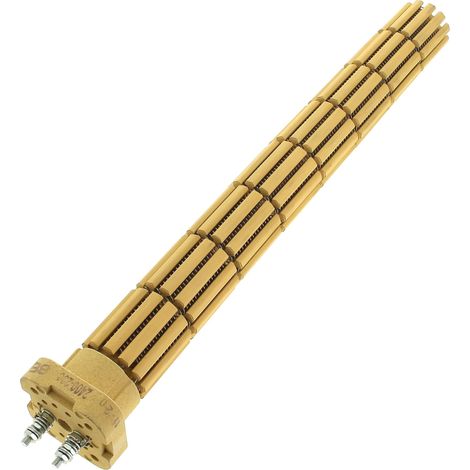

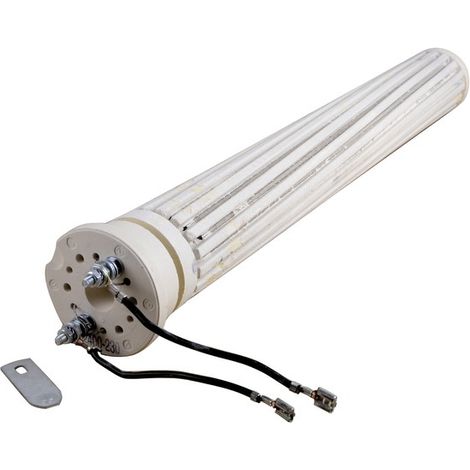

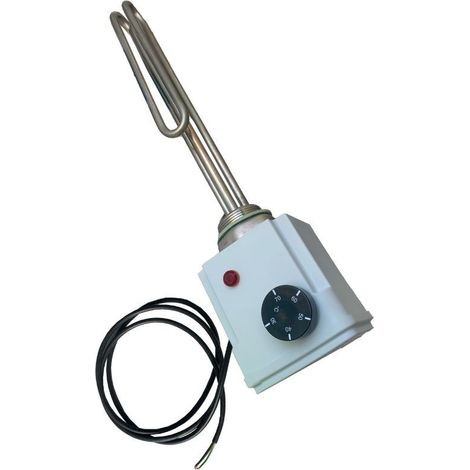
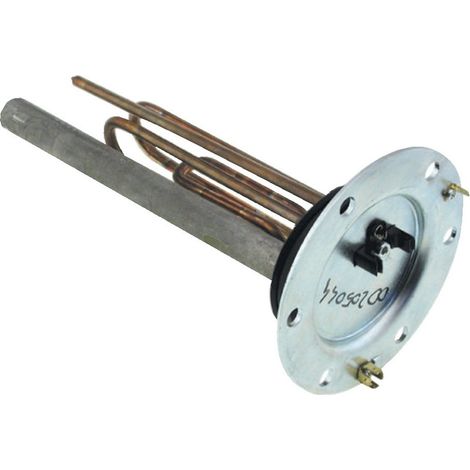
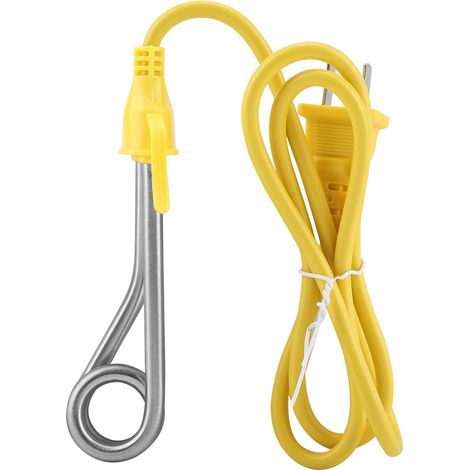

Comparer à des articles similaires
Informations produit
Description
SOFT SILICONE MATERIAL - The 12v 12w silicone hot plate uses silicone rubber as the outer insulator and nickel-chromium alloy wire as the electrical heating element inside, which allows the silicone heating film to be in close contact with the heated object. ENERGY SAVING AND EFFICIENCY - This silicone heating resistor 100 x 120 mm can reduce energy costs related to heating the rays. A water tank heater can significantly reduce food consumption in winter. Fast heating, homogeneous temperature, high thermal efficiency and good resistance. EASY TO USE - The silicone rubber hot plate is waterproof, safe and ready to use. Thanks to its flexible design, it adapts easily to different surfaces. Whether home appliances or professional applications, the electric heating panel is perfectly suited and you will take full advantage of it. STABLE PERFORMANCE - The flexible 12V heating mat significantly reduces the consumption of the PLC. Fast heating, homogeneous temperature, high thermal efficiency and good resistance. The fuel tank heater has a thickness of 1.5-2 mm, a maximum temperature resistance of 60 ° C, a service life of up to four years, and its use is comfortable and safe. WIDE APPLICATION - The silicone heating pad element is suitable for heating and insulating various fuel tanks, water tanks, batteries, industrial pipes, campers and other automotive applications. Unlike rigid hot plates, its flexible design is adaptable and allows versatile use in a wide variety of shapes and areas.
Caractéristiques
- MarqueAUTRES
- Quantité par pack1
- MatièresSilicone
- Poids40 g
- Type d'équipement compatibleChauffage central
- Réf. ManoManoME230972239
- MMID412678890204
- Réf. fabricantB09VB1Q2G4
'/%3E%3C/svg%3E)
Vous êtes ici :
'/%3E%3C/svg%3E)