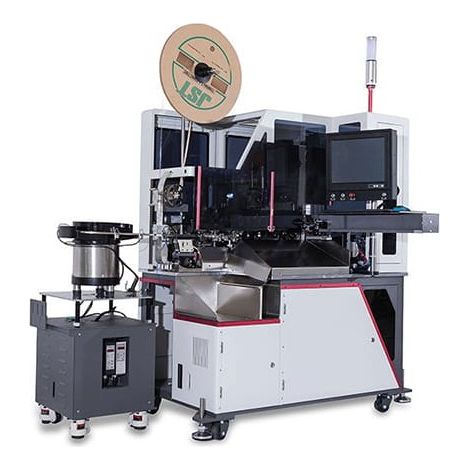
Machine à sertir les bornes scotchées 3T/30KN pour mini-applicateurs avec une course de 30 mm
Vous achetez pour votre entreprise ?
+10% offert sur votre 1ère commande
Tarifs négociés HT jusqu'à -20%
'/%3E%3C/svg%3E)
Ces articles peuvent vous intéresser !
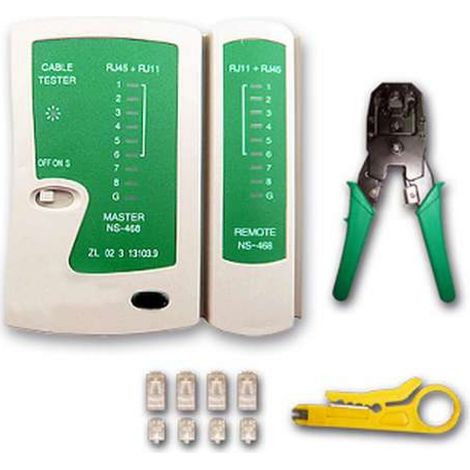

Linxor – Pince à sertir et testeur de câble réseau RJ45, RJ11, RJ12 – Acier haute qualité – 9 LED – 8 connecteurs inclus – Dimensions compactes
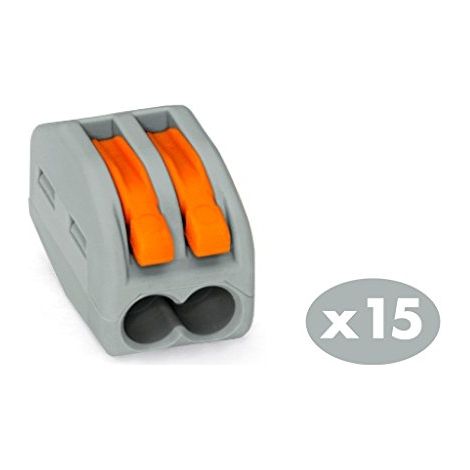
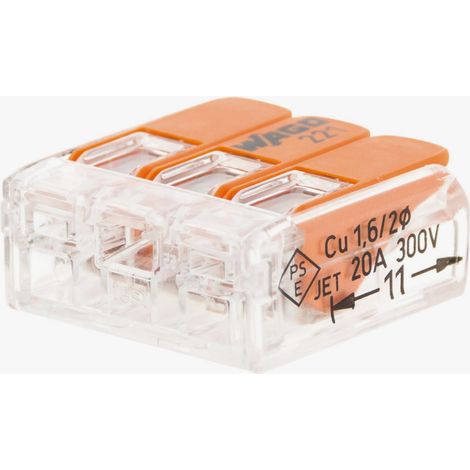
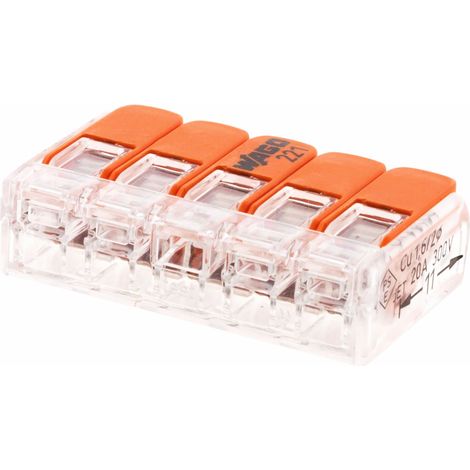

Pack de 5 bornes de connexion rapide à levier WAGO 5 entrées fil souple et rigide - S221
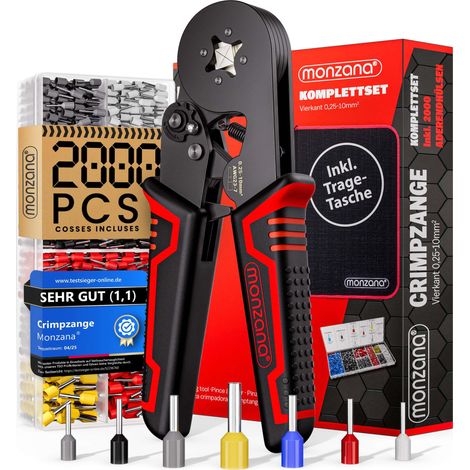

MONZANA® Pince à sertir carrée avec 2000 cosses électriques 0,5-10 mm² outil bricolage sertissage embouts câbles
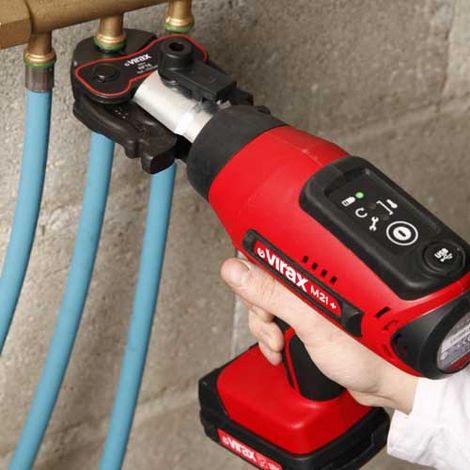

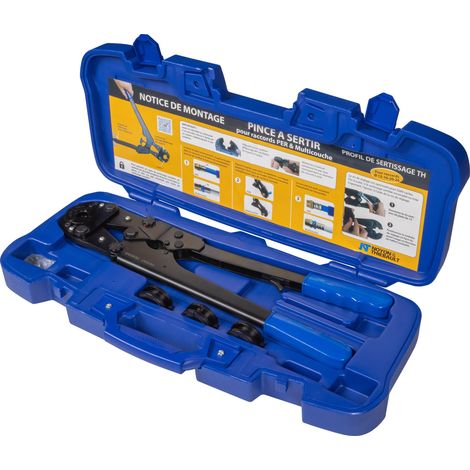

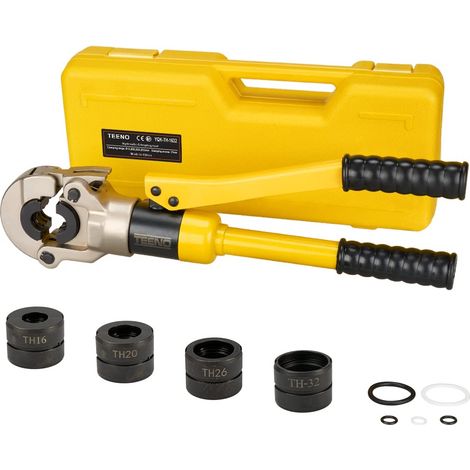
Pince à sertir profil TH Ø12-16-20-26 pour PER et multicouche NOYON & THIEBAULT 12-16-20-26
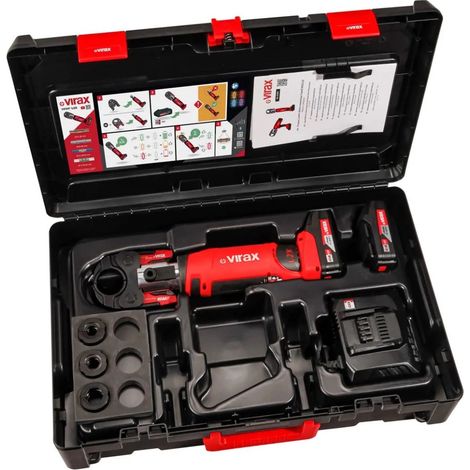


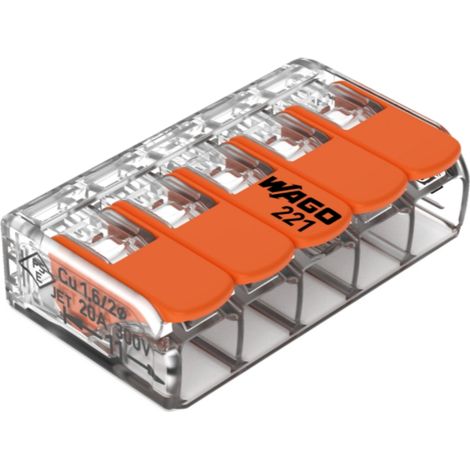
Wago – Sachet de 5 bornes à levier 5 entrées S221 – Section câble 0,5-6 mm² – Tension 450V – Courant 41A
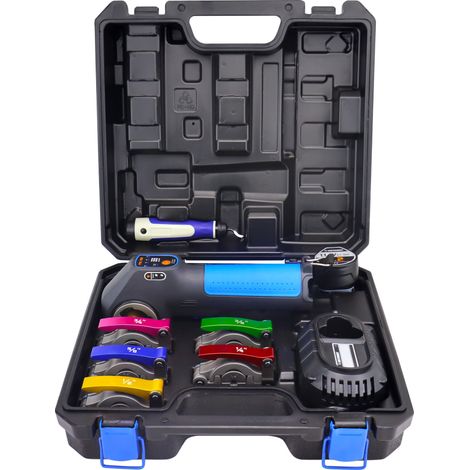

Dudgeonnière électrique sans fil FTK-750 – Moteur DC brushless – Batterie Li-ion 12V – Pour tubes 1/4'' à 3/4'' – 2004750
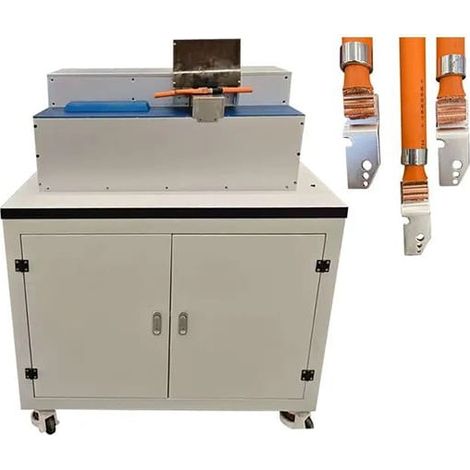
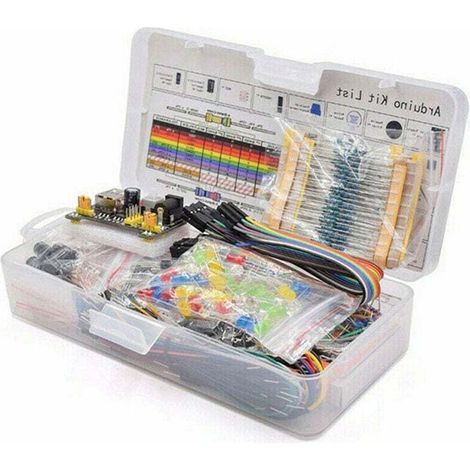

Kit de composants électroniques 830 points de jonction résistance de câble de planche à pain pour Onu R3 Kit de démarrage débutant
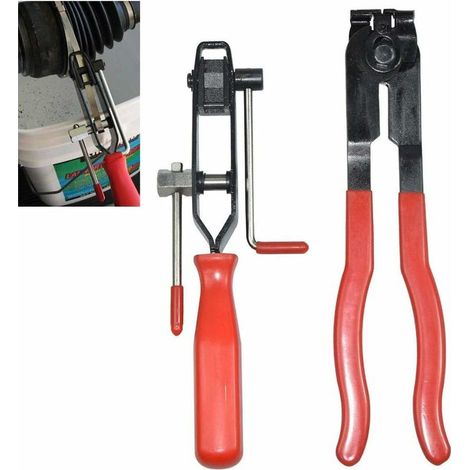
Pince pour Collier de Serrage, 2 pinces Pinces collier cardan et pince colliers bandes à sertir


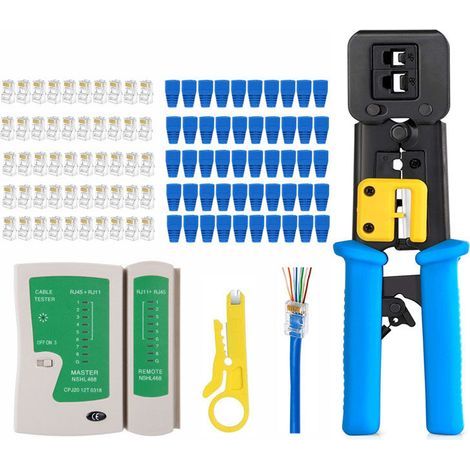
Kit d'outils de réparation réseau, outil de sertissage, testeur de câble, connecteurs, pince à sertir d'Outil Approprié au Bricolage ordinateur pour RJ45 RJ11 Cat5e Cat 6 Testeur de câble
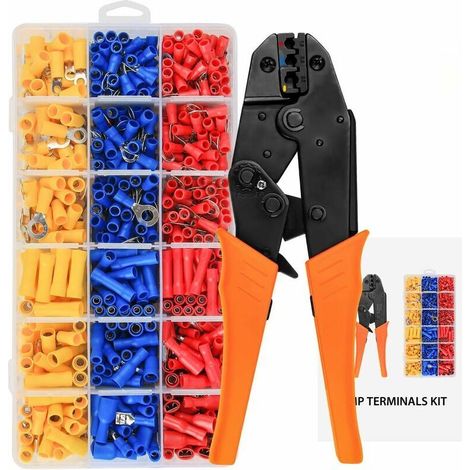

Comparer à des articles similaires
Informations produit
Description
Le miniapplicateur peut être acheté séparément chez .
DÉLAIS DE LIVRAISON DES ARTICLES NON DISPONIBLES : 60 JOURS.
POUR LES LIVRAISONS URGENTES SOUS 3 SEMAINES CONTACTEZ-NOUS EN PRIVÉ
Vendu au pièce
Features:
1) Terminals from JST, MOLEX and TE are the typical applications of this machine
2) 3.0 T crimping force.
3) Equipped with toot pedal tor the operator.
4) Fast and accurate crimping
5) Low noise
Technical data:
Model: RBEW09D30
Application: Wide range of industriai terminals (contacts)
Crimping force: 3T
Stroke: 30 mm
Motor power: 1.1 kW
Power supply: 110, 220 V (50 - 60 Hz)
Weight: 49 kg
Dimension: 430*510*770mm
Scheda Tecnica
Type de produit: Machine à sertir les bornes
Watts: 1.1 kW
Voltage/Fréquence: AC: 110-220V, 50/60Hz
Dimensions: 430x510x770 (L x W x H)
Force de sertissage: 30 KN (3T)
Caractéristiques
- MarqueERREBI GROUP
- Alimentation électriqueFilaire
- Hauteur77 cm
- Largeur51 cm
- Longueur43 cm
- MatièresMétal
- Quantité par pack1
- Usage de la sertisseusePolyéthylène Réticulé (PER)
- Réf. ManoManoME88070707
- MMID555075859850
- Réf. fabricantRBEW09D30
'/%3E%3C/svg%3E)
Comment choisir ses pinces ou tenailles
Les conseils de nos experts
'/%3E%3C/svg%3E)