Bouchon de réservoir d'eau pour camping-car, bouchon d'entrée d'eau verrouillable, facile à installer, convient aux camping-cars (noir).
avec le code
Vous achetez pour votre entreprise ?
Tarifs négociés HT jusqu'à -20%
'/%3E%3C/svg%3E)
Ces articles peuvent vous intéresser !
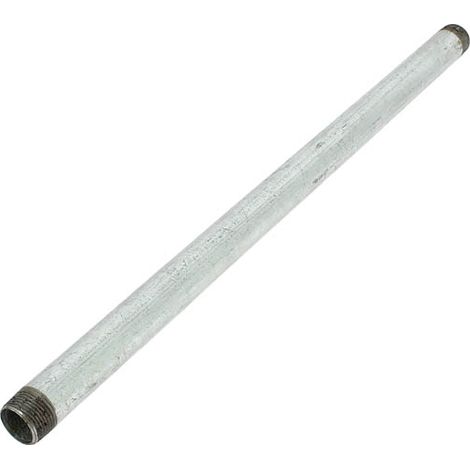

Atusa – Raccord mâle à visser en fonte galva – Longueur 500mm – Pression 25 bars – Température -20 à 120°C – Filetage plomberie
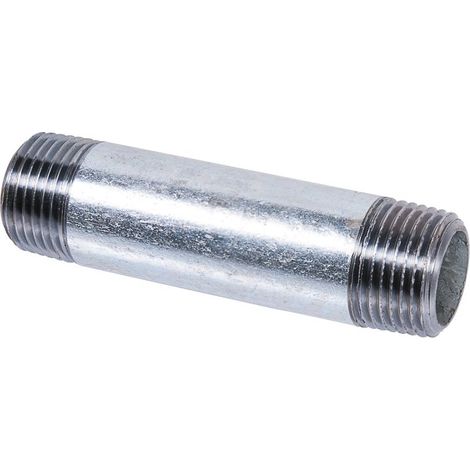
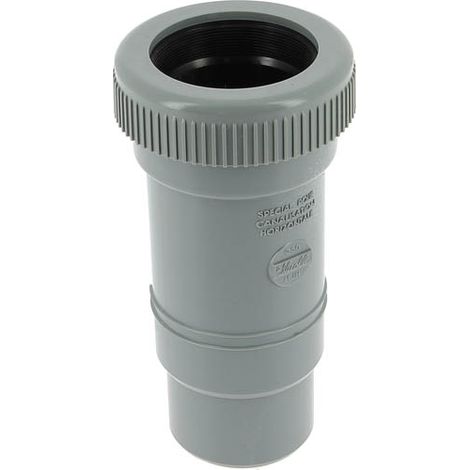

Nicoll – Manchon dilatation horizontal mâle-femelle Ø50 – Joint double lèvres pour étanchéité – Absorbe dilatations PVC – Raccord de robinetterie
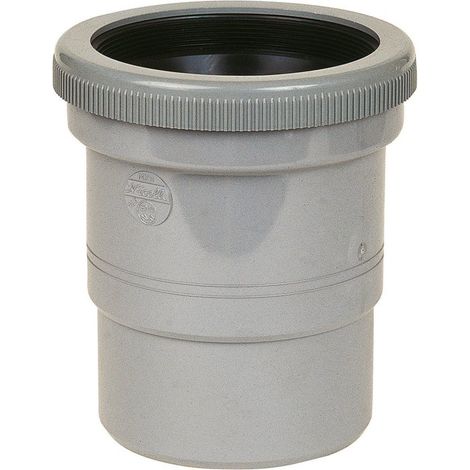
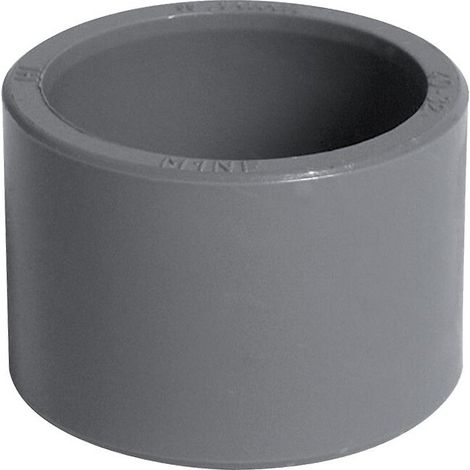
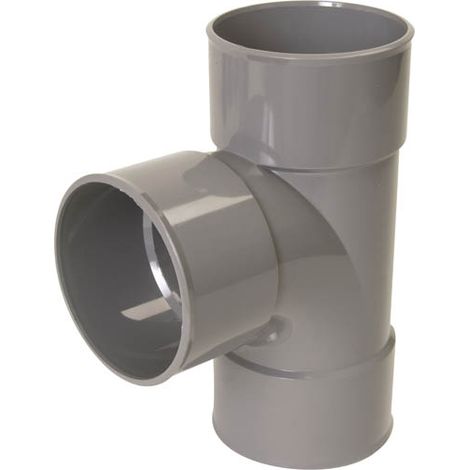
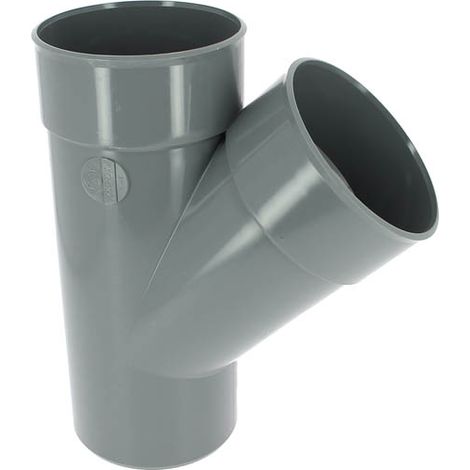
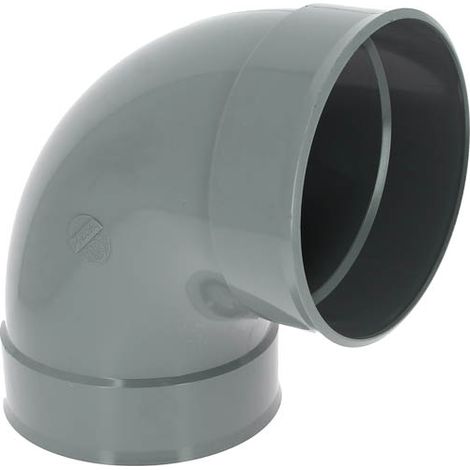
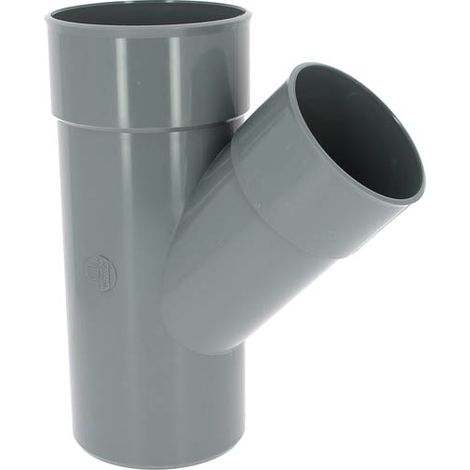
Nicoll – Raccord d'évacuation PVC mâle-femelle 45° Ø125/100 – Classement feu NF-M1 – PVC lisse pour éviter impuretés
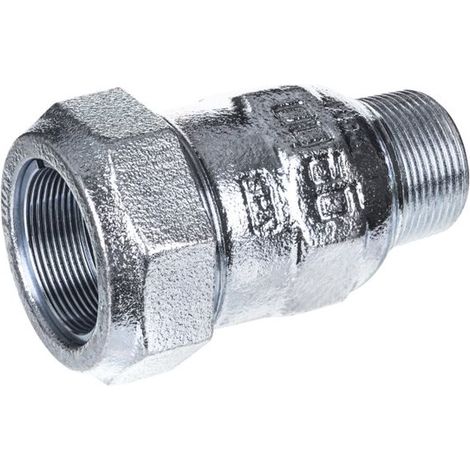

Gebo – Raccord de robinetterie union égale pour tube acier – Male – Femelle – Filetage 12x17 – Pour installations sanitaires
Gebo – Raccord de robinetterie union égale pour tube acier – Filetage mâle et femelle 20x27 – Pour installations sanitaires et industrielles
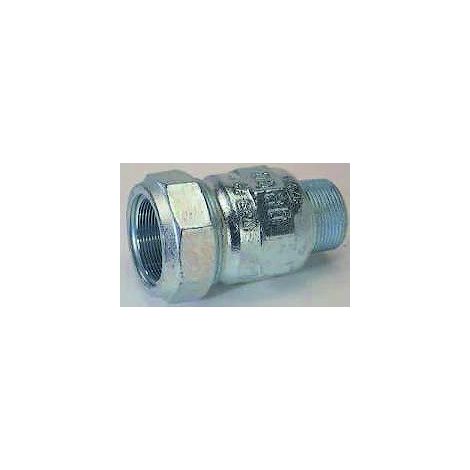
Gebo – Raccord acier à compression mâle femelle 26x34 – Filetage plomberie pour installations eau potable et air comprimé – Fonte malléable
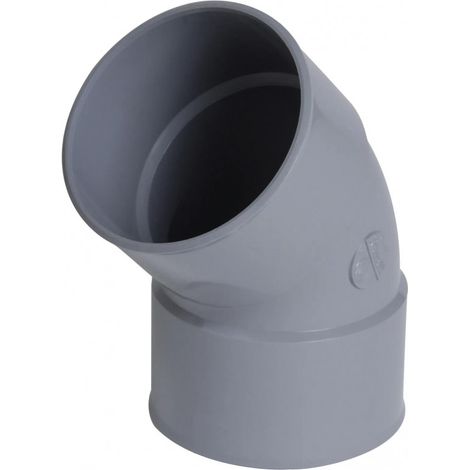
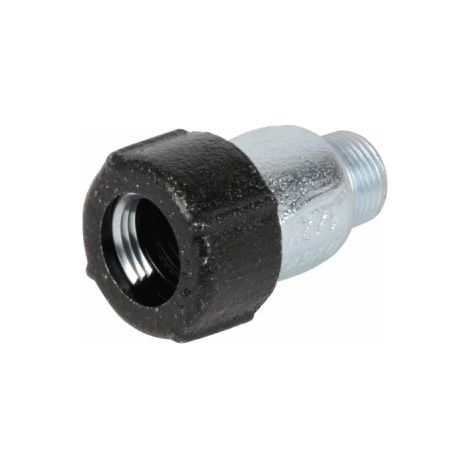
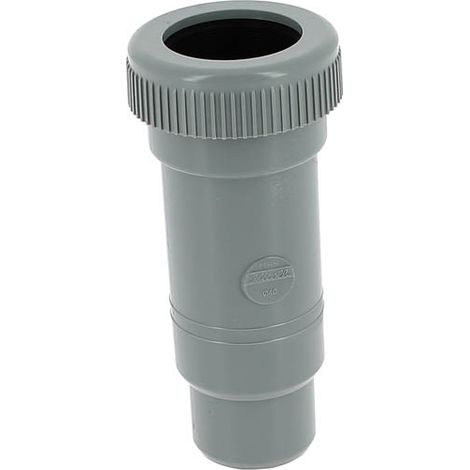
Nicoll – Manchon dilatation mâle-femelle Ø40 en PVC – Joint double lèvres pour étanchéité – Absorption des dilatations – Utilisation horizontale
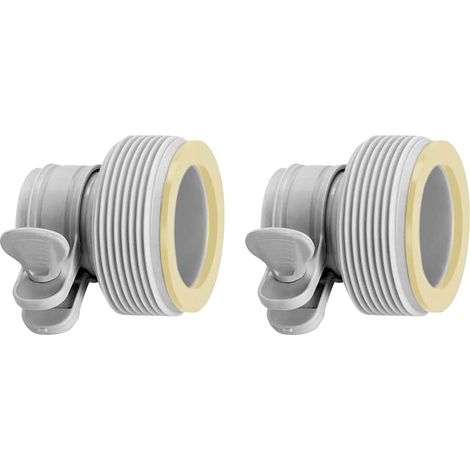

Lot de 2 adaptateurs Type B – Connexion 32 mm à 38 mm – Matériau ABS – Pour pompes filtration Intex jusqu'à 5678 L/h – Color Baby
Gebo – Raccord à compression acier mâle femelle 15x21 – Filetage plomberie – Pression PN 10/16 – Installation facile avec clé
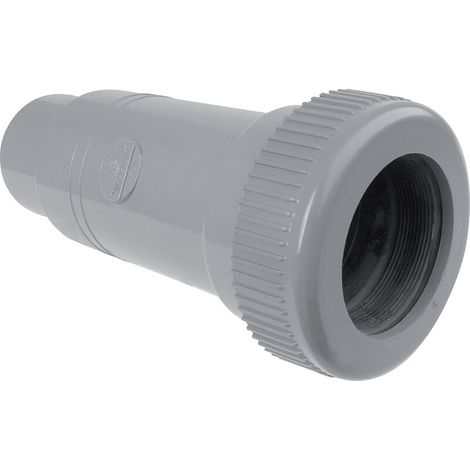
Comparer à des articles similaires
Informations produit
Description
Caractéristiques
- MarqueNO BRAND
- MatièresPlastique
- Quantité par pack1
- CouleurNoir
- Forme du raccordBouchon
- Genre principalePas de filetage
- Joint fourniOui
- Matière du raccordAcier
- Type de raccordBouchon
- Réf. ManoManoME242111270
- MMID728423158305
- Réf. fabricantK0524-0826-CJ30499
- EAN6260441356591
'/%3E%3C/svg%3E)
Comment choisir ses raccords de plomberie
Les conseils de nos experts
'/%3E%3C/svg%3E)